



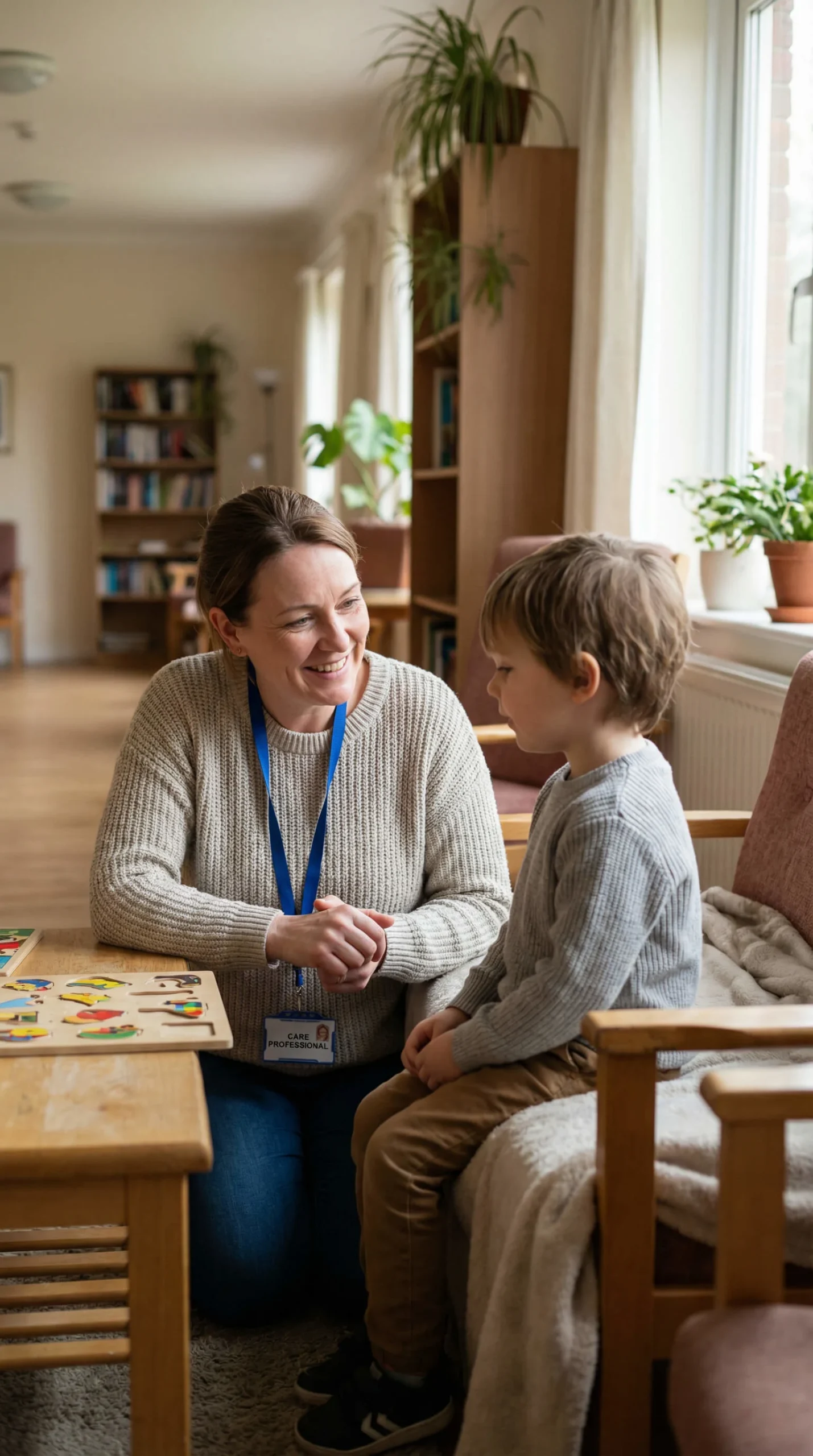






What is creative therapy?
Creative therapy offers supportive ways to explore emotions, experiences, and patterns when words feel too difficult. At MCTS, we provide a range of creative therapies tailored to your needs.
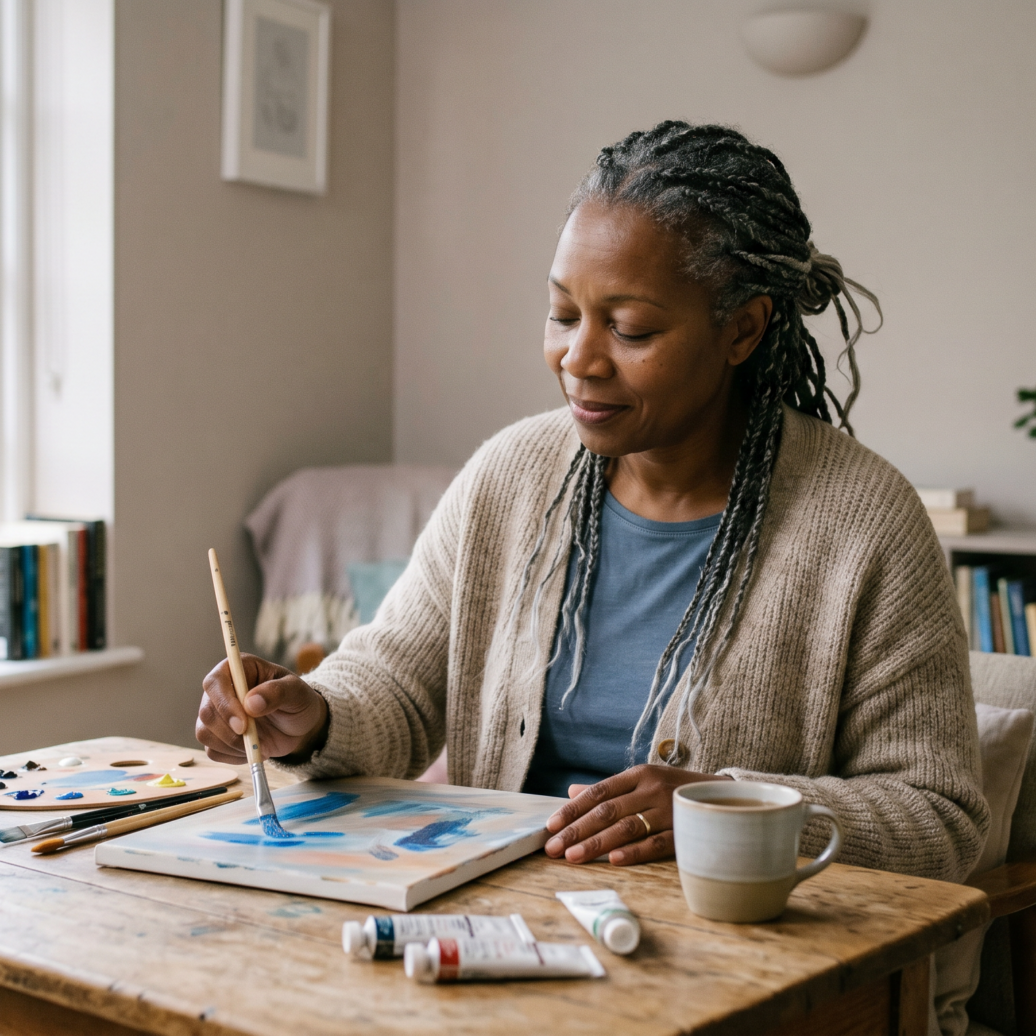
Benefits of creative therapy
The benefits of creative therapy include providing a safe, structured way to express feelings when words are hard to find. Creative therapy can help you:
- Explore feelings safely and at your own pace
- Make sense of difficult or traumatic experiences
- Improve emotional regulation and build confidence.
We work gently, at your pace, and match the creative therapy approach to your goals.

Types of creative therapy
Art therapy
What is art therapy?
Art therapy is a form of creative therapy led by a HCPC-registered art psychotherapist guides you to use drawing, painting or creating to explore thoughts and feelings. You don’t need to be “good at art.” The artwork gives you a bit of breathing room and safe distance from tough topics while still moving toward change.
Who is art therapy for?
Art therapy is ideal for:
- Adults and young people who may find talking hard
- People who feel stuck or overwhelmed
- Those seeking a creative non-verbal way to express themselves
It can work well alongside trauma support for anxiety or depression, and long-term health conditions.
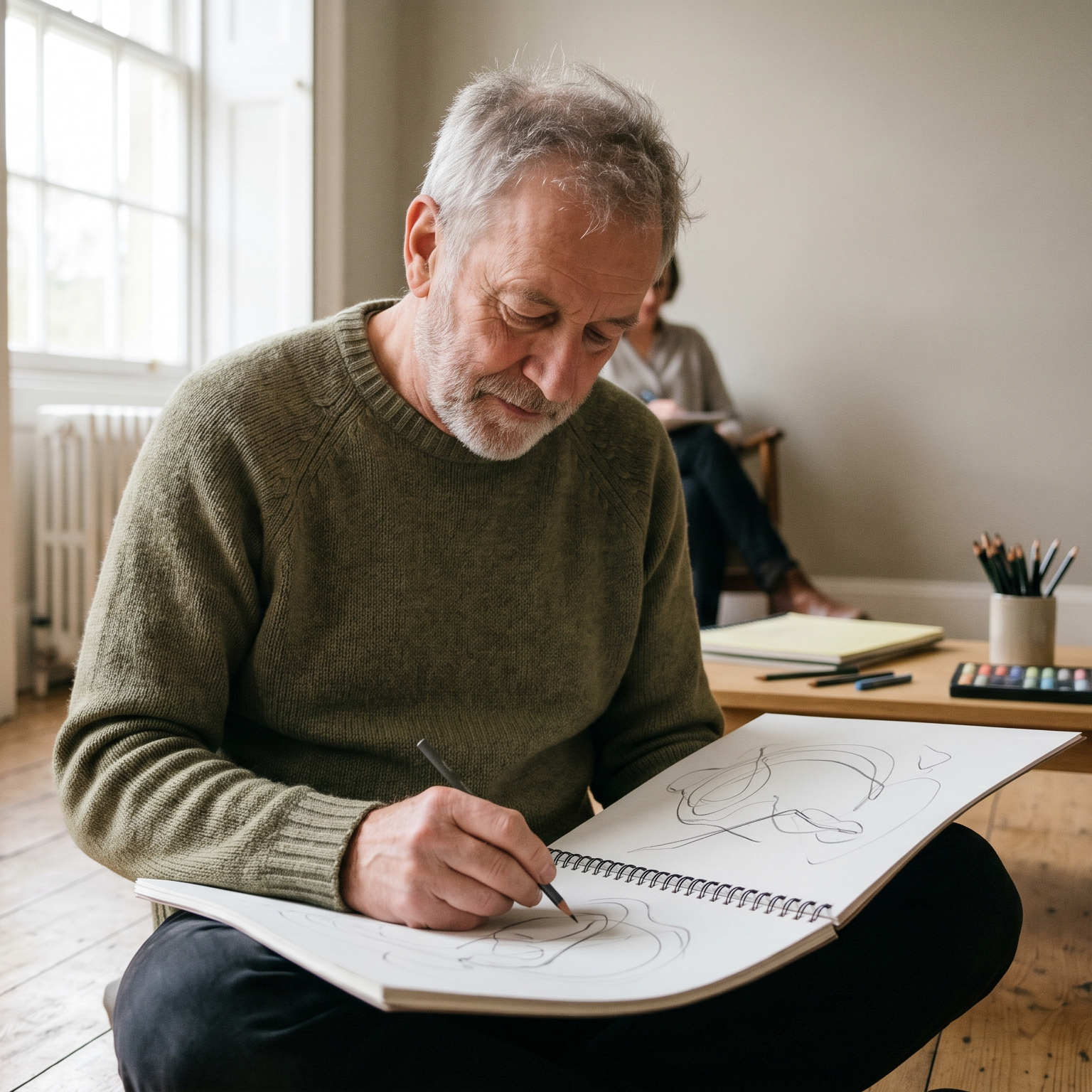
Benefits of art therapy
Research shows that art therapy can support mental health, including after trauma, and is recognised within care pathways for some conditions. Many people report:
- Improved mood
- Better coping skills
- Enhanced quality of life
Why art therapy might suit you
Art can say what words can’t. If you like thinking in images or want a gentle way into therapy, art offers a space to express, reflect and feel understood.

Music therapy
What is music therapy?
Music therapy is a creative therapy delivered by a HCPC-registered music therapist. They use playing, singing, listening, and rhythm to help regulate the body, process emotions, and build connection. Sessions may be active (making music) or receptive (listening), and no musical experience is needed — you don’t have to be an X Factor finalist.
Who is music therapy for?
Suitable for people of all ages who want support with:
- Mood and motivation,
- Trauma-related symptoms
- Relationship difficulties.
It can also be particularly helpful when communication is challenging, such as for people who are neurodivergent or living with a brain injury.
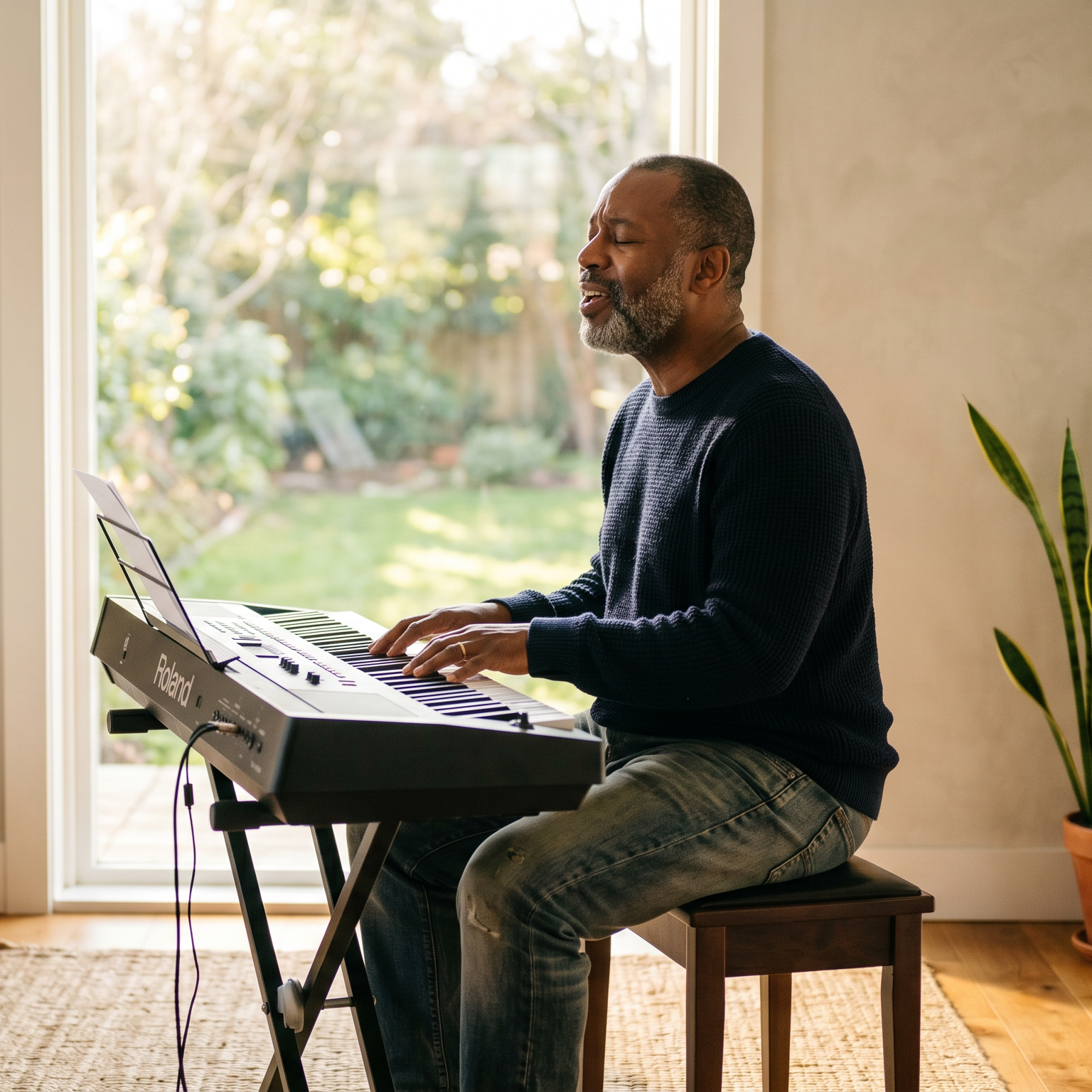
Benefits of music therapy
Clinical trials suggest that music therapy can:
- Reduce symptoms of depression and anxiety
- Improve overall functioning.
- Support recovery within a psychosis and trauma-informed care pathway, with emerging research showing promise for trauma-related distress.
Why music therapy might suit you
If you feel emotions strongly in your body, music can steady breathing, pace, and energy. It’s engaging, practical and uplifting.

Drama therapy
What is Drama Therapy?
Drama therapy is a form of creative therapy that uses role play, story, imagery and metaphor to explore real life themes in a safe, contained way. You can try out new responses and rehearse helpful scripts for difficult moments.
Who is drama therapy for?
Drama therapy can benefit adults and young people who want to:
- Build confidence
- Process trauma memories indirectly
- Improve relationships
- Practise communication in a supportive space
Benefits of drama therapy
Studies show drama-based therapies can produce meaningful improvements in mental health and wellbeing across different groups. They’re especially useful for practising skills and processing experiences through stories.
Why drama therapy might suit you
If you learn best by doing, or like creative problem solving, it offers an active route to change with plenty of choice and consent at each step.
Dance and movement therapy
What is dance and movement therapy?
Dance and movement therapy is a creative therapy that focuses on posture, breath and movement to help the nervous system settle, release tension and build mind body connection. Movements can be tiny or large and always within your zone of comfort.
Who is dance movement therapy for?
This approach can help people who:
- Feel stress held in the body, such as tension in the chest, jaw, or shoulders
- Who want fewer words and more body-based tools
- Experience anxiety, low mood, trauma, and want to regain confidence after health challenges

Benefits of dance movement therapy
Reviews suggest dance and movement can:
- Reduce depression and anxiety
- Results often show that people benefit from better regulation and connection.
Why dance movement therapy might suit you
If you want practical ways to calm your body and carry that calm into daily life, movement based work can be a good fit.
How we keep you safe
All creative therapies are delivered by appropriately qualified, registered therapists. We agree on clear goals with you, pace the work carefully, and review progress together.
Why MCTS?
- Fast access to qualified therapists: Compassionate and non-judgemental support.
- Personalised care: We will match you with a clinician who meets your specific needs, personality, and preferences, making therapy more effective.
- Quality-assured service: we have a robust vetting process for all our therapists and parenting specialists which is compliant with OFSTED, CQC and DfE requirements.
- People-driven, not profit driven: We are registered with Social Enterprise UK, meaning we are committed to reinvesting at least 51% of our profits into providing better care for the people we work with.
- Tailored advice: Support even if you’re unsure which therapy or programme is right for you.
Explore other therapies
Not sure if creative therapy is the right fit? We offer a range of therapies:
Trauma therapy
Therapy to help you to establish safety and coping skills, remember and process trauma memories, and connect with life after trauma.

Schema therapy
A form of psychotherapy that focuses on understanding and changing negative thought patterns and creating healthier life perspectives.
Eye Movement Desensitisation Therapy (EMDR)
A structured approach to processing trauma and reducing the intensity of distressing memories and flashbacks associated with traumatic experiences.